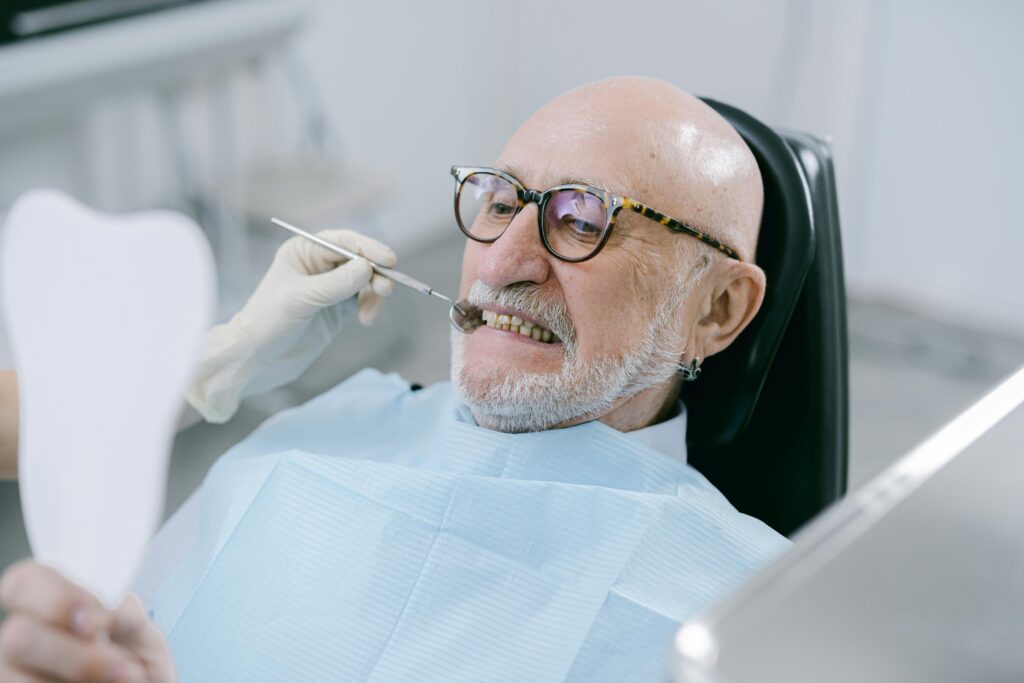
When patients hear the word “dental cleaning,” they often assume it’s a one-size-fits-all procedure. In reality, not all dental cleanings are the same. Depending on your oral health, your dentist may recommend a prophy (routine) cleaning or a deep cleaning—and understanding the difference can help you protect your smile long-term.
In this guide, we’ll break down prophy vs. deep cleaning, explain why each is important, and help you understand which type of cleaning you may need.
Why Dental Cleanings Matter More Than You Think
Dental cleanings are about much more than a brighter smile. Regular professional cleanings help:
- Prevent cavities and tooth decay
- Reduce plaque and tartar buildup
- Protect gums from infection and inflammation
- Lower the risk of gum disease and tooth loss
- Support overall health, including heart health
However, the type of cleaning you receive depends on the condition of your teeth and gums—not just how long it’s been since your last visit.
What Is a Prophy Cleaning?
A prophy cleaning (short for prophylaxis) is what most people consider a routine dental cleaning. It’s designed for patients who have healthy gums and no signs of active gum disease.
What Happens During a Prophy Cleaning?
During a prophy cleaning, your dental hygienist will:
- Remove plaque and tartar above the gumline
- Polish teeth to remove surface stains
- Floss between teeth
- Apply fluoride if recommended
This type of cleaning is preventive and typically done every six months to maintain good oral health.
Who Needs a Prophy Cleaning?
- Patients with healthy gums
- No deep gum pockets
- Minimal plaque or tartar buildup
- Regular dental visits
If your gums don’t bleed easily and your dentist hasn’t diagnosed gum disease, a prophy cleaning is likely all you need.
What Is a Deep Cleaning?
A deep cleaning, also known as scaling and root planing, is a more advanced procedure used to treat gum disease (periodontitis).
Unlike a prophy cleaning, deep cleaning goes below the gumline to remove bacteria and hardened tartar that cause infection and bone loss.
What Happens During a Deep Cleaning?
Deep cleaning is usually done in sections and may involve local anesthesia for comfort. It includes:
- Scaling: Removing plaque and tartar from below the gumline
- Root planing: Smoothing the tooth roots to help gums reattach
- Reducing inflammation and infection
- Preventing further gum and bone damage
Who Needs a Deep Cleaning?
- Patients with gum disease
- Gum pockets deeper than 4mm
- Bleeding, swollen, or receding gums
- Persistent bad breath
- Bone loss seen on X-rays
Deep cleaning is therapeutic, not cosmetic—it treats an existing problem rather than preventing one.
Prophy vs. Deep Cleaning: Key Differences
| Aspect | Prophy Cleaning | Deep Cleaning |
| Purpose | Preventive | Therapeutic |
| Gum Health | Healthy gums | Gum disease present |
| Cleaning Area | Above gumline | Above & below gumline |
| Frequency | Every 6 months | As recommended |
| Anesthesia | Not required | Often required |
| Time | Single visit | Multiple visits |
Understanding these differences helps patients see why insurance coverage, appointment time, and treatment plans may vary.
Why the Right Cleaning Matters
Choosing the wrong type of cleaning—or delaying treatment—can lead to serious oral health issues. Untreated gum disease can progress silently and result in:
- Tooth mobility or loss
- Bone deterioration
- Chronic inflammation
- Higher risk of systemic health problems
That’s why dentists perform thorough exams, including gum measurements and X-rays, before recommending a specific cleaning.
How Your Dentist Decides Which Cleaning You Need
Your dentist or hygienist will evaluate:
- Gum pocket depth
- Bleeding or inflammation
- Plaque and tartar buildup
- X-ray findings
- Your dental history
The recommendation is based on clinical findings, not preference or cost—ensuring you receive the care your gums actually need.
One Smile, Different Needs
While both prophy and deep cleaning are essential dental services, they serve very different purposes. Routine cleanings maintain health, while deep cleanings restore it.
If it’s been a while since your last visit—or if you’ve noticed bleeding gums or bad breath—don’t ignore the signs. Early treatment can make all the difference.
Schedule Your Dental Cleaning Today
Not sure which type of cleaning you need? Our dental team is here to help. We’ll evaluate your oral health and recommend the right treatment to keep your smile healthy for years to come.
Book your appointment today and take the first step toward healthier gums and a confident smile.