Most people think of brushing, flossing, and regular dental visits when it comes to maintaining good oral health. But one important factor is often overlooked: sleep.
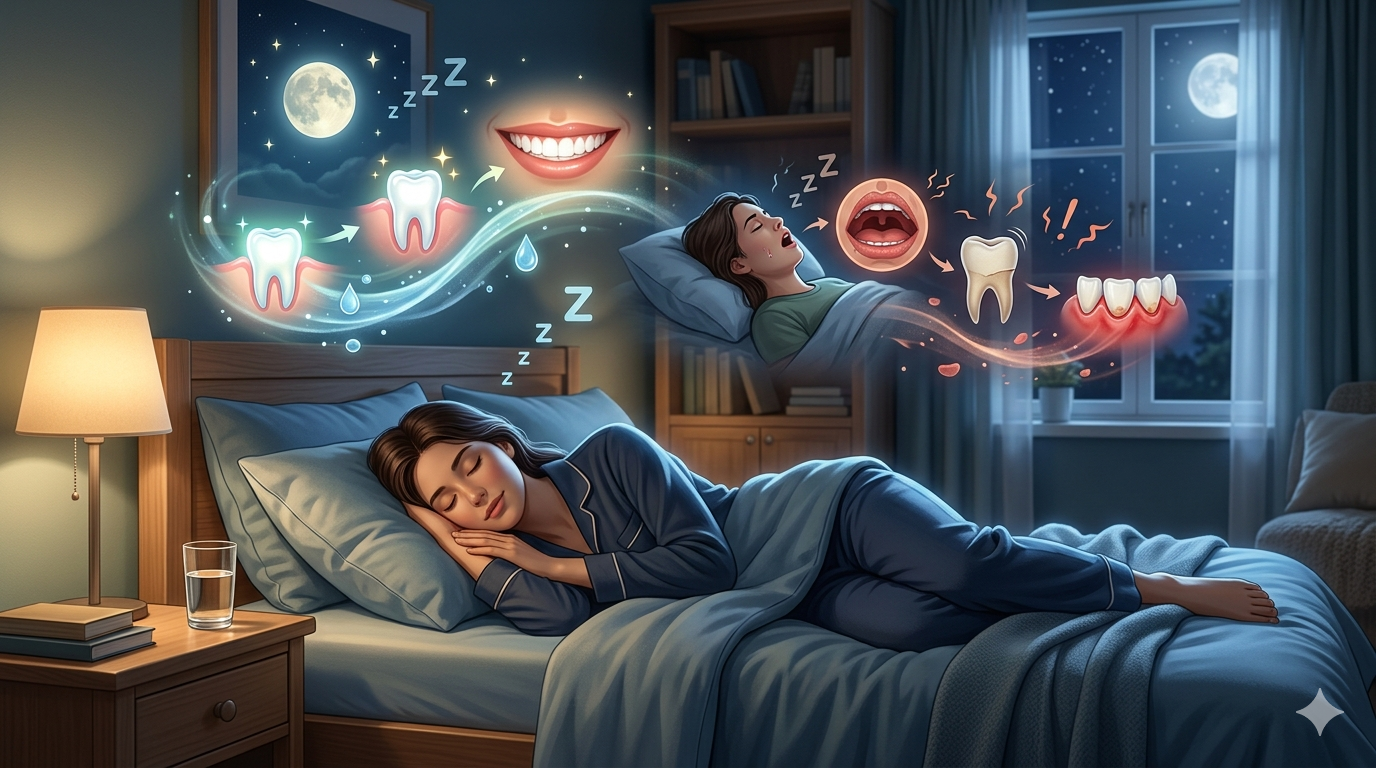
Your sleep habits don’t just impact your energy levels—they also play a significant role in the health of your teeth, gums, and overall mouth. Poor sleep quality can contribute to issues like teeth grinding, dry mouth, gum disease, and even tooth decay.
Understanding the connection between sleep and oral health can help you prevent long-term dental problems and maintain a healthier smile.
The Connection Between Sleep and Oral Health
Sleep is when your body repairs and restores itself. During this time, your immune system strengthens, inflammation decreases, and tissues—including those in your mouth—recover.
When you don’t get enough sleep, your body produces more stress hormones like cortisol. This can lead to:
- Increased inflammation in the gums
- Reduced immune response
- Higher risk of oral infections
Over time, poor sleep can make your mouth more vulnerable to bacteria, which is the root cause of many dental issues.
Teeth Grinding (Bruxism) and Sleep
One of the most common ways sleep affects oral health is through bruxism, or teeth grinding.
This often happens during sleep without you realizing it.
Common signs include:
- Worn or flattened teeth
- Jaw pain or tightness
- Morning headaches
- Tooth sensitivity
Sleep-related stress, anxiety, or sleep disorders can increase the likelihood of grinding your teeth at night.
Over time, bruxism can damage enamel, leading to cracks, chips, and even tooth loss if left untreated.
Sleep Apnea and Oral Health
Sleep apnea is a condition where breathing repeatedly stops and starts during sleep. It doesn’t just affect sleep quality—it can also impact oral health.
People with sleep apnea often experience:
- Dry mouth
- Gum inflammation
- Increased risk of cavities
Dry mouth occurs because many individuals breathe through their mouth during sleep. Saliva plays a key role in washing away bacteria, so when saliva levels drop, bacteria can build up more easily.
This increases the risk of tooth decay and gum disease.
Dry Mouth and Nighttime Oral Health
Saliva is essential for maintaining a healthy mouth. It helps:
- Neutralize acids
- Wash away food particles
- Prevent bacterial overgrowth
During sleep, saliva production naturally decreases. However, poor sleep quality, certain medications, or mouth breathing can make dry mouth worse.
Chronic dry mouth can lead to:
- Bad breath
- Tooth decay
- Gum irritation
If you frequently wake up with a dry mouth, it may be a sign that your sleep quality is affecting your oral health.
Gum Disease and Sleep Deprivation
Lack of sleep can weaken your immune system, making it harder for your body to fight infections—including those in your gums.
Studies have shown that people who consistently get poor sleep are more likely to develop gum disease (periodontitis).
Symptoms of gum disease include:
- Red or swollen gums
- Bleeding when brushing or flossing
- Persistent bad breath
- Gum recession
Because gum disease is linked to inflammation, and poor sleep increases inflammation in the body, the two are closely connected.
How Poor Sleep Habits Lead to Cavities
When you’re tired, you’re more likely to skip important routines—like brushing and flossing before bed.
Late-night snacking is another common habit tied to poor sleep. Eating sugary or acidic foods before bed without brushing allows bacteria to thrive overnight.
This combination increases the risk of cavities.
Additionally, reduced saliva during sleep means your mouth has less protection against acid attacks, making nighttime one of the most critical periods for oral care.
Tips to Protect Your Oral Health While You Sleep
Improving your sleep habits can have a direct positive impact on your dental health. Here are some practical steps you can take:
Maintain a Nighttime Oral Care Routine
Always brush and floss before going to bed. This removes plaque and food particles that bacteria feed on overnight.
Stay Hydrated
Drink enough water throughout the day to support saliva production. If you experience dry mouth, consider using a humidifier at night.
Manage Stress
Since stress can lead to teeth grinding, practicing relaxation techniques like meditation or deep breathing before bed can help reduce the risk.
Use a Mouthguard if Needed
If you grind your teeth at night, a dentist may recommend a custom mouthguard to protect your teeth from damage.
Avoid Late-Night Sugary Snacks
Try to limit eating right before bed, especially foods high in sugar or acid.
Improve Sleep Quality
Aim for 7–9 hours of quality sleep each night. Creating a consistent sleep schedule and reducing screen time before bed can help improve your sleep patterns.
When to See a Dentist
If you notice any of the following symptoms, it’s important to consult a dental professional:
- Persistent jaw pain
- Tooth sensitivity
- Bleeding gums
- Chronic dry mouth
- Frequent headaches in the morning
These could be signs that your sleep habits are affecting your oral health.
Sleep and oral health are more connected than most people realize. While brushing and flossing are essential, they are only part of the equation.
Poor sleep can lead to teeth grinding, dry mouth, gum disease, and cavities, all of which can impact your long-term dental health.
By improving your sleep habits and maintaining a consistent oral care routine, you can protect your smile and overall well-being at the same time.
A healthy mouth starts not just with what you do during the day—but also with how well you sleep at night.