Bad breath (also called halitosis) is one of the most common dental complaints—and also one of the most misunderstood. Many people assume it’s caused by something they ate, or that the solution is simply stronger mouthwash, chewing gum, or mints.
But here’s the truth: if your bad breath keeps coming back, it’s not a mouthwash problem. It’s very often a gum problem.
In fact, persistent bad breath is one of the earliest warning signs of gum disease. And ignoring it doesn’t just affect your confidence—it can affect your long-term oral health.
Let’s break down why it happens, what it means, and how you can treat it the right way.
Why Mouthwash Doesn’t Fix Chronic Bad Breath
Mouthwash may temporarily mask odor, but it does not remove the root cause. Most over-the-counter mouthwashes only provide a short-term “fresh” feeling by covering up smell with strong flavors.
If your bad breath returns within an hour or two, that’s a sign the odor-causing bacteria are still active.
The real issue isn’t your breath—it’s what’s happening below the gumline.
The Real Cause: Bacteria and Gum Infection
Your mouth naturally contains bacteria. That’s normal. But when plaque builds up around your gumline and isn’t removed properly, it hardens into tartar and creates the perfect environment for bacteria to thrive.
These bacteria release sulfur compounds that smell unpleasant—similar to rotten eggs. This is why gum-related bad breath often has a strong, persistent odor that brushing alone can’t eliminate.
When gum infection begins, it creates tiny pockets between the gums and teeth. Food particles and bacteria get trapped inside these pockets, causing:
- inflammation
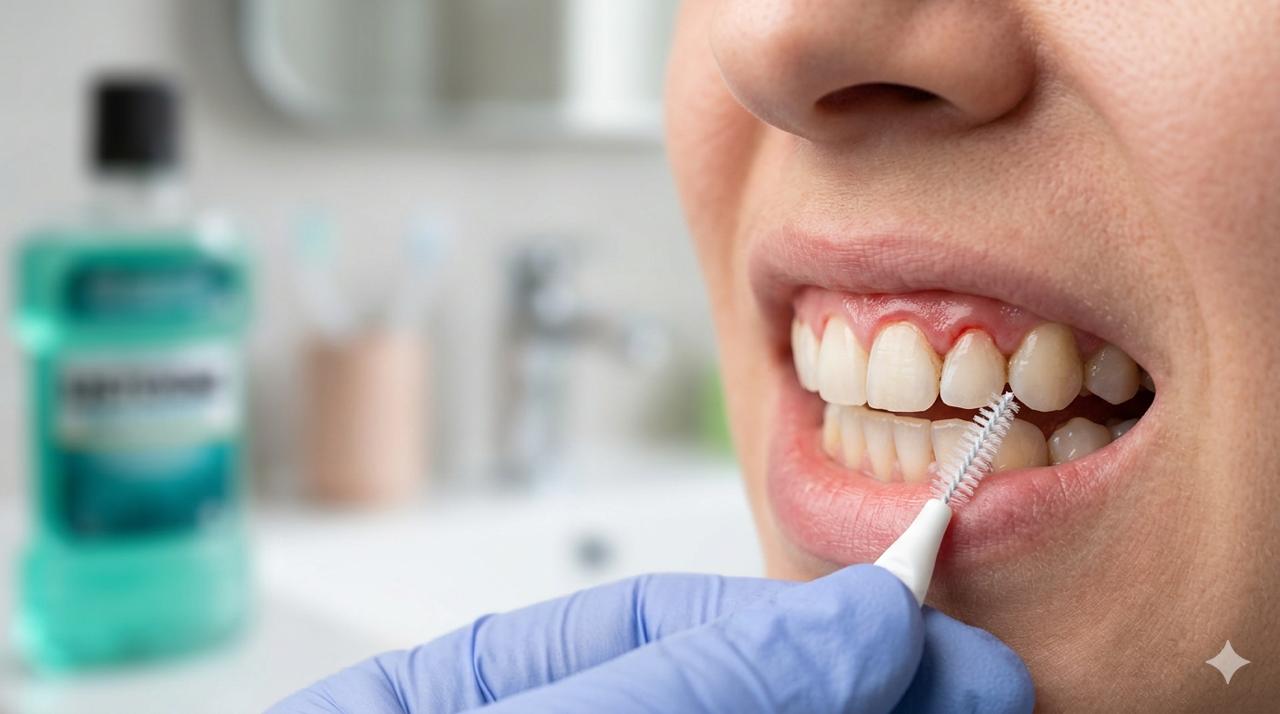
- bleeding gums
- infection
- foul odor that won’t go away
This is one of the most common causes of chronic bad breath in adults.
Gum Disease and Bad Breath: The Hidden Connection
Bad breath caused by gum disease is different from morning breath or food-related breath. It tends to be persistent, stronger, and harder to manage.
Here’s why: gum disease is an infection, and infection creates odor.
The early stage of gum disease is called gingivitis, and the advanced stage is called periodontitis. Both can lead to bad breath, but periodontitis is especially serious because it can cause gum recession, loose teeth, and even tooth loss.
If you’re wondering how to know whether your breath is a gum issue, keep reading.
Signs Your Bad Breath Is Actually a Gum Problem
If you experience bad breath along with any of these symptoms, your gums are likely involved:
- bleeding while brushing or flossing
- swollen or tender gums
- gums pulling away from teeth
- persistent bad taste in the mouth
- loose teeth
- pus around the gumline
- sensitivity near the gums
- plaque buildup and tartar
- mouthwash not helping for long
These are classic symptoms of gum disease, and they shouldn’t be ignored.
Why Brushing Alone Isn’t Enough
Most people brush their teeth twice a day and assume they’re safe. But gum disease begins in places your toothbrush doesn’t always reach.
Bad breath-causing bacteria hide:
- under the gumline
- between teeth
- in gum pockets
- on the tongue surface
Even with good brushing habits, plaque can build up if flossing is inconsistent or if tartar has already formed. Once plaque turns into tartar, it can only be removed with a professional dental cleaning.
That’s why many patients with gum-related halitosis don’t see improvement until they visit a dentist.
How Dentists Treat Bad Breath Caused by Gum Disease
If your bad breath is linked to gum disease, the solution isn’t stronger mouthwash—it’s proper gum treatment.
At a dental clinic, treatment may include:
- Professional Dental Cleaning
A routine cleaning removes plaque and tartar buildup around the gumline, helping reduce bacteria and inflammation.
- Deep Cleaning (Scaling and Root Planing)
If gum pockets have formed, your dentist may recommend a deep cleaning. This removes bacteria from beneath the gums and smooths the tooth roots to prevent further buildup.
- Periodontal Maintenance
For patients with recurring gum issues, regular periodontal cleanings are necessary to control infection and prevent bad breath from returning.
- Treatment for Gum Infection
In some cases, antibiotics or additional periodontal care may be required to control the infection.
The goal is to eliminate the bacteria causing the odor—not mask it.
At-Home Tips to Prevent Gum-Related Bad Breath
While professional treatment is essential, daily care plays a big role in keeping gum disease and bad breath under control.
Here are some effective habits to follow:
- Floss daily to remove plaque between teeth
- Brush gently along the gumline
- Use an electric toothbrush for better plaque removal
- Clean your tongue daily (tongue scraper works best)
- Stay hydrated to avoid dry mouth
- Avoid tobacco, which worsens gum disease
- Reduce sugary snacks that feed bacteria
- Use an antibacterial mouth rinse (only as recommended by your dentist)
Remember: mouthwash helps as a support, not a cure.
When to See a Dentist for Bad Breath
If you have bad breath that lasts more than a few weeks—even after improving brushing and mouthwash—it’s time to get checked.
A dentist can identify whether your bad breath is coming from:
- gum disease
- cavities
- plaque buildup
- dry mouth
- infected teeth
- tongue bacteria
- dental restorations trapping food
Most importantly, a dental exam can catch gum disease early—before it becomes painful or expensive to treat.
The Bottom Line: Fresh Breath Starts With Healthy Gums
Bad breath can be embarrassing, but it’s also your body’s way of warning you that something isn’t right.
If mouthwash isn’t solving the problem, don’t waste time trying to cover it up. Chronic bad breath is often a sign of gum disease, and gum disease doesn’t go away on its own.
The good news? With early treatment and professional care, you can eliminate the odor, restore gum health, and protect your smile long-term.
Book a Gum Health Checkup Today
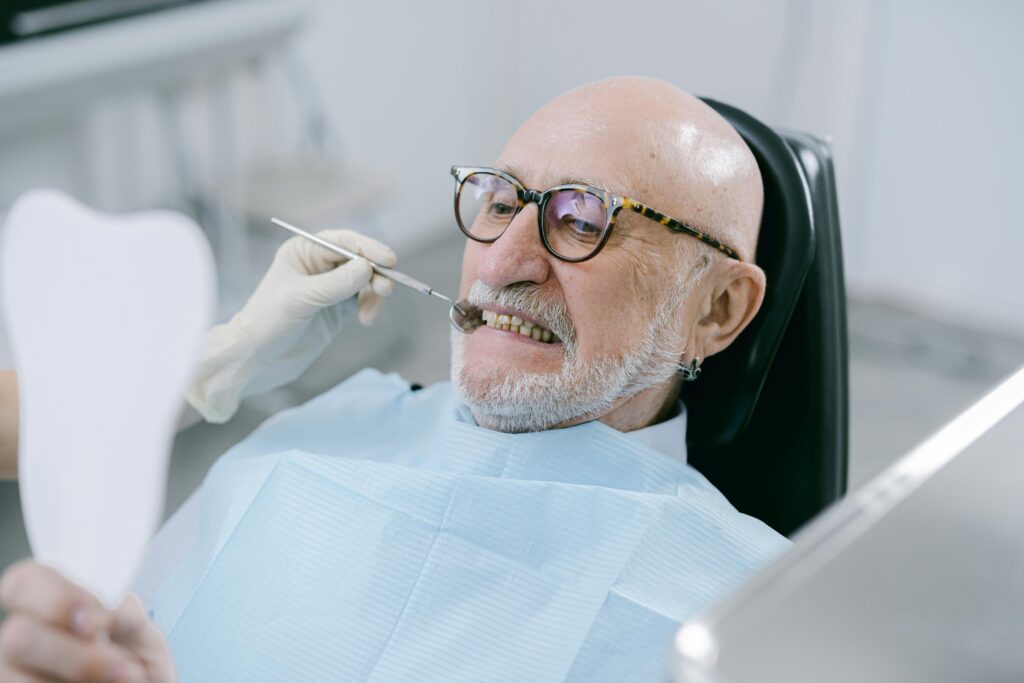
If you’ve been struggling with persistent bad breath, bleeding gums, or gum sensitivity, our dental team is here to help. A simple exam and cleaning could be the key to fresher breath and healthier gums.
Schedule your dental appointment today and take the first step toward lasting confidence.