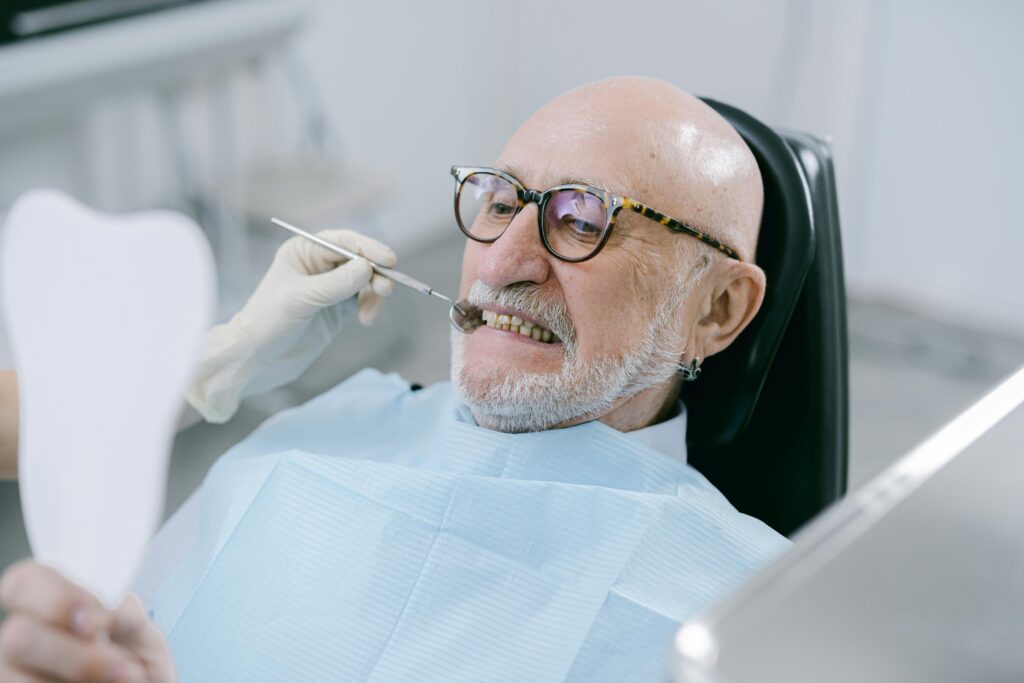
Getting a dental filling is a common and quick procedure—but many patients wonder: Can I eat normally after a filling? The short answer is yes—but with some precautions.
What you eat (and when you eat) after a dental filling plays a big role in how well your tooth heals and how long the filling lasts. In this guide, we’ll break down what dentists recommend, what to avoid, and tips for a smooth recovery.
How Soon Can You Eat After a Dental Filling?
The timing depends on the type of filling and whether anesthesia was used.
1. After a Composite (White) Filling
Composite fillings harden immediately under a curing light, so you can usually eat as soon as the numbness wears off. However, dentists recommend waiting 1–2 hours to avoid biting your cheek or tongue accidentally.
2. After an Amalgam (Silver) Filling
Amalgam fillings take longer to fully harden. You should avoid chewing on that side of your mouth for 24 hours to prevent damage.
Foods Dentists Love After a Filling
After a dental filling, your tooth may be sensitive. Dentists recommend soft, non-sticky, and low-sugar foods that won’t irritate the treated area.
1. Soft Foods
Soft foods reduce pressure on the tooth and help prevent sensitivity.
Dentist-approved options include:
- Yogurt
- Mashed potatoes
- Oatmeal
- Scrambled eggs
- Smoothies
- Soft fruits like bananas
2. Warm (Not Hot) Soups
Soups are easy to eat and soothing, but avoid extremely hot temperatures, as your tooth may be sensitive.
3. Cooked Vegetables
Steamed vegetables like carrots, spinach, and zucchini are gentle and nutritious.
4. Lean Proteins
Soft proteins such as fish, tofu, or well-cooked chicken can be eaten once numbness fades.
5. Plenty of Water
Water helps wash away bacteria and reduces the risk of plaque buildup around your filling.
Foods Dentists Hate After a Filling
Certain foods can damage your filling, increase sensitivity, or lead to new cavities.
1. Hard and Crunchy Foods
Hard foods can crack or dislodge a new filling. Avoid:
- Nuts
- Hard candies
- Ice cubes
- Popcorn kernels
2. Sticky Foods
Sticky foods can pull at fillings and trap bacteria. Avoid:
- Caramel
- Chewing gum
- Toffees
- Sticky sweets
3. Sugary Foods and Drinks
Sugar feeds bacteria that cause cavities, especially around new fillings. Limit:
- Soda
- Candy
- Desserts
- Sweetened coffee or tea
4. Extremely Hot or Cold Foods
Temperature extremes can trigger sensitivity, especially in the first few days. Avoid ice cream and very hot beverages until your tooth settles.
5. Acidic Foods and Drinks
Acidic items can weaken enamel and irritate the tooth. Avoid:
- Citrus fruits
- Vinegar-based foods
- Energy drinks
Can You Chew Normally After a Filling?
Yes—but chew carefully.
- Start chewing on the opposite side of your mouth for the first 24 hours.
- Avoid putting pressure on the filled tooth if it feels sensitive.
- If your bite feels uneven or painful, contact your dentist for an adjustment.
Common Symptoms After a Filling (And What’s Normal)
It’s normal to experience mild sensitivity after a filling. Typical symptoms include:
- Sensitivity to hot or cold
- Slight discomfort when biting
- Mild soreness in the jaw
These symptoms usually improve within a few days to a week.
👉 However, contact your dentist if you experience:
- Severe pain
- Persistent sensitivity beyond two weeks
- A sharp edge or high bite
- Swelling or fever
Tips to Protect Your Filling
To make your filling last longer, follow these dentist-approved tips:
1. Maintain Good Oral Hygiene
Brush twice daily with fluoride toothpaste and floss regularly to prevent cavities around the filling.
2. Avoid Chewing Hard Objects
Don’t chew ice, pens, or hard foods that can crack fillings.
3. Schedule Regular Dental Checkups
Routine visits help detect issues early and keep your fillings in great shape.
4. Use a Mouthguard If You Grind Teeth
Grinding (bruxism) can wear down fillings. A nightguard can protect your teeth.
How Long Do Dental Fillings Last?
The lifespan of a filling depends on the material and oral care habits:
- Composite fillings: 5–10 years
- Amalgam fillings: 10–15 years or more
- Gold or ceramic fillings: 15–30 years
Proper diet and hygiene can significantly extend the life of your filling.
Can You Eat Normally After a Filling?
Yes, you can eat normally after a dental filling—but what and when you eat matters. Stick to soft foods initially, avoid sticky or hard foods, and maintain good oral hygiene to protect your new filling.
If you have persistent pain or sensitivity, don’t ignore it—your dentist can easily fix the issue with a quick adjustment.
Book Your Dental Appointment Today
Have questions about dental fillings or oral care? Schedule a consultation with our dental experts and keep your smile healthy and pain-free.