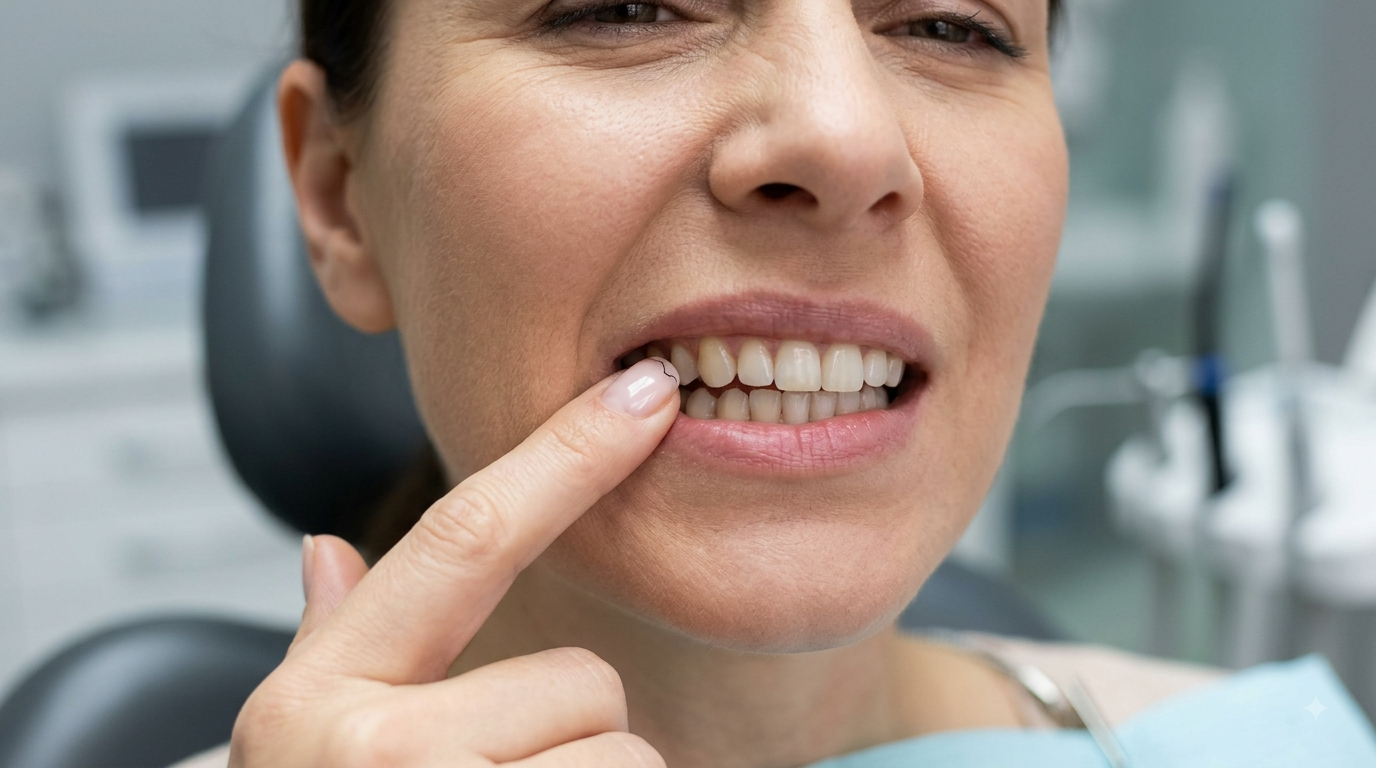
Have you ever noticed a tiny chip in your tooth after biting into something hard or experiencing a minor accident? Since it may not hurt immediately, it’s easy to ignore and assume it’s nothing serious. However, even a small chip can lead to bigger dental problems if left untreated.
Here’s why you shouldn’t overlook a chipped tooth.
A Small Chip Can Become a Bigger Crack
A chipped tooth is weaker than a healthy one. Everyday activities like chewing, grinding your teeth, or biting into crunchy foods can cause the chip to expand into a larger crack. Once the damage reaches deeper layers of the tooth, treatment becomes more complex and expensive.
Increased Tooth Sensitivity
The outer layer of your tooth, called enamel, protects the sensitive inner layers. When a chip exposes the dentin underneath, you may start experiencing discomfort when eating or drinking:
- Hot beverages
- Cold foods
- Sweet treats
- Acidic drinks
Sensitivity often worsens over time if the tooth isn’t repaired.
Higher Risk of Tooth Decay
A chipped tooth creates rough edges and tiny openings where bacteria can collect. These areas are harder to clean properly, increasing the risk of cavities. If decay reaches the tooth’s pulp, it can cause severe pain and infection.
Damage to Your Tongue or Cheeks
Sharp edges from a chipped tooth can repeatedly scrape the inside of your mouth, causing:
- Tongue cuts
- Cheek irritation
- Mouth sores
- Discomfort while eating or speaking
Even a small chip can become surprisingly irritating over time.
Infection Can Develop
If the chip extends deep enough, bacteria can enter the inner pulp of the tooth. This may lead to:
- Persistent tooth pain
- Swelling
- Gum abscess
- Infection that may require root canal treatment
Treating a small chip early is far easier than treating an infected tooth later.
It Can Affect Your Smile
Front teeth are especially noticeable. Even a tiny chip can impact your confidence when smiling, speaking, or taking photos. Fortunately, modern cosmetic dentistry offers quick, natural-looking solutions that restore your smile.
Simple Treatments Are Available
The good news is that most small chips can be repaired quickly with minimally invasive treatments, such as:
- Dental Bonding: Tooth-colored resin restores the chipped area in a single visit.
- Dental Veneers: Ideal for front teeth with cosmetic damage.
- Dental Crowns: Recommended when a larger portion of the tooth is weakened.
- Tooth Recontouring: Smooths minor chips for a more even appearance.
Your dentist will recommend the best option based on the size and location of the chip.
When Should You See a Dentist?
Schedule a dental appointment if you notice:
- A chipped or cracked tooth
- Tooth sensitivity
- Sharp or rough edges
- Pain while chewing
- Swelling around the affected tooth
Even if there’s no pain, an examination can prevent future complications.
Protect Your Teeth from Future Chips
You can reduce your risk of chipped teeth by:
- Avoiding chewing ice or hard candies
- Wearing a mouthguard during sports
- Using a nightguard if you grind your teeth
- Never using your teeth to open packages
- Keeping up with regular dental checkups
A small chip may seem harmless today, but it can quickly turn into a cracked tooth, cavity, infection, or even tooth loss if ignored. Seeking treatment early is often quick, painless, and much more affordable than waiting for the problem to worsen.
Think you’ve chipped a tooth? Don’t wait for it to become painful. Schedule a dental checkup today and protect your smile before a small problem becomes a major one.