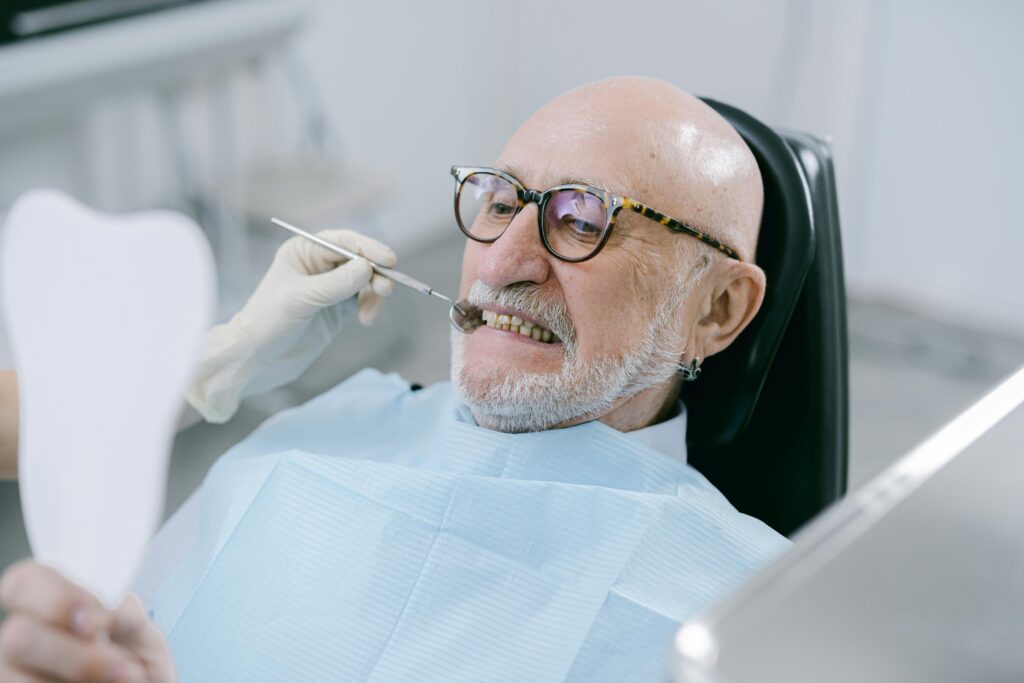
A brighter smile can make a noticeable difference in your appearance and confidence. If your teeth look stained, yellow, uneven, or discolored, you may be considering cosmetic dental treatment to improve your smile.
Two popular options are professional teeth whitening and dental veneers. While both can improve the appearance of your teeth, they work in very different ways and are designed to address different concerns.
Understanding the differences between whitening and veneers can help you determine which option may better fit the smile you want.
What Does Professional Teeth Whitening Do?
Professional teeth whitening is designed to lighten the natural color of your teeth and reduce certain types of stains and discoloration.
Unlike over-the-counter whitening products, professional treatment is performed under the guidance of a dental professional and can provide more predictable results.
Whitening may be a good option for people who:
- Have yellow or stained teeth
- Notice discoloration from coffee, tea, or other foods and drinks
- Have generally healthy teeth and gums
- Want a brighter smile without changing the shape of their teeth
- Prefer a non-invasive cosmetic treatment
Whitening changes the color of your natural teeth but does not alter their shape, size, or position.
What Are Dental Veneers?
Dental veneers are thin, custom-made coverings that are placed over the visible surfaces of teeth. They can be used to improve both the color and appearance of teeth while also addressing certain cosmetic imperfections.
Veneers may help improve the appearance of teeth that are:
- Deeply discolored
- Chipped or worn
- Uneven in shape
- Slightly irregular
- Spaced unevenly
- Resistant to traditional whitening
Because veneers cover the front surface of the tooth, they can create a more comprehensive change in the appearance of your smile.
Whitening vs. Veneers: What Is the Main Difference?
The biggest difference is what each treatment is designed to change.
Professional whitening primarily focuses on tooth color. It can brighten natural tooth enamel but cannot reshape teeth or correct structural imperfections.
Veneers can address color, shape, size, and certain cosmetic irregularities at the same time. They may therefore be more suitable for someone looking for a broader smile transformation.
The right choice depends on the condition of your teeth and the specific improvements you want to achieve.
When Might Whitening Be the Better Choice?
Whitening may be appropriate when your main concern is tooth discoloration and your teeth are otherwise healthy.
For example, if your teeth have gradually become yellow or stained from coffee or tea but you are happy with their shape and alignment, whitening may provide the improvement you are looking for.
It is also a relatively conservative cosmetic option because it does not require covering the tooth with a restoration.
When Might Veneers Be a Better Option?
Veneers may be considered when whitening alone cannot address the concerns you have about your smile.
For example, veneers may be useful when you want to improve several cosmetic characteristics at once, such as discoloration combined with chipped edges, uneven tooth shapes, or noticeable spacing.
They can also be considered for certain stains that do not respond well to conventional whitening.
Can You Combine Whitening and Veneers?
In some cases, whitening and veneers may be part of the same cosmetic treatment plan.
However, veneers do not whiten in the same way as natural teeth. If both treatments are planned, your dentist may recommend whitening your natural teeth first so the shade of any new veneers can be selected to complement your desired smile.
This is one reason professional planning is important when combining cosmetic treatments.
Which Treatment Lasts Longer?
The longevity of either treatment depends on several factors, including oral hygiene, diet, lifestyle habits, and regular dental care.
Whitening results can gradually fade as teeth are exposed to foods and drinks that cause staining. Touch-up treatments may help maintain a brighter appearance.
Veneers can provide long-lasting cosmetic results when properly cared for, but they are not indestructible. Avoiding habits such as biting hard objects and maintaining good oral hygiene can help protect them.
Are You a Good Candidate for Whitening or Veneers?
Not everyone will benefit from the same cosmetic treatment. Before recommending whitening or veneers, your dentist may evaluate:
- The cause and severity of discoloration
- The condition of your teeth and gums
- Existing dental restorations
- Tooth sensitivity
- Enamel condition
- Your overall smile goals
Addressing cavities, gum problems, or other oral health concerns may be necessary before cosmetic treatment begins.
How Do You Choose the Right Solution?
Choosing between whitening and veneers should be based on more than simply how much brighter you want your smile to look.
If your primary goal is to remove stains and brighten healthy natural teeth, professional whitening may be enough.
If you want to change the color while also improving the shape, size, or appearance of certain teeth, veneers may offer a more comprehensive solution.
A dental consultation can help you understand what is realistically achievable and which treatment is best suited to your smile.
A brighter smile does not necessarily require the same treatment for everyone. Professional whitening can be an effective choice for improving natural tooth color, while veneers may provide a broader cosmetic transformation for teeth with multiple concerns.
If you’re considering whitening or veneers and aren’t sure which option is right for you, schedule a consultation with Wilson Dental. A personalized evaluation can help you choose a treatment approach that fits your teeth, oral health, and smile goals.