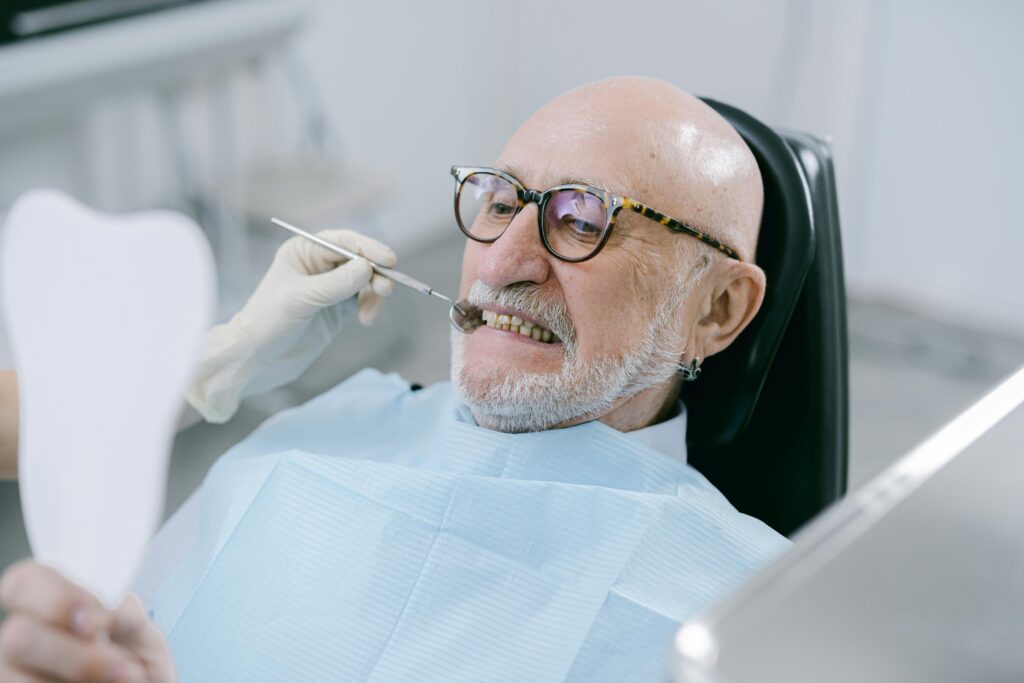
Dental implants are a long-term investment in your oral health, appearance, and confidence. With proper care, these restorations can last 20+ years—or even a lifetime. However, the longevity of dental implants largely depends on how well you maintain them after placement.
If you’ve recently received dental implants or are considering them, understanding proper dental implant aftercare and maintenance is key to protecting your investment.
Let’s explore what you need to do to keep your implants strong, stable, and free from complications for decades to come.
Why Dental Implant Maintenance Matters
Dental implants may be artificial, but the surrounding gum tissue and bone are very much alive. While implants can’t get cavities like natural teeth, they’re still susceptible to gum disease and peri-implantitis—an infection that can lead to bone loss and implant failure.
That’s why good oral hygiene, routine dental visits, and lifestyle choices play a major role in keeping implants secure and functional over time.
1. Stick to a Daily Oral Hygiene Routine
Cleaning your implants is just as important as caring for your natural teeth. A consistent routine keeps plaque, bacteria, and inflammation under control.
✅ Brushing
- Use a soft-bristled toothbrush (manual or electric) twice a day.
- Use non-abrasive, fluoride toothpaste to avoid scratching the implant surface.
- Pay special attention to the gum line around the implant crown.
✅ Flossing
- Use implant-safe floss or interdental brushes daily to remove debris between the implant and adjacent teeth.
- Consider water flossers (oral irrigators) for effective plaque removal, especially if you have multiple implants or bridges.
2. Avoid Smoking and Tobacco Use
Smoking significantly increases the risk of implant failure. It affects blood flow to the gums and slows healing, making it easier for bacteria to cause infection around the implant.
If you smoke, quitting before and after implant surgery will greatly improve your outcome—and your overall oral health.
3. Visit Your Dentist Regularly
Routine dental checkups are critical—even after your implant has fully healed. Your dentist will:
- Check the integrity of the implant, crown, and abutment
- Monitor bone levels and gum health
- Clean areas you may miss during daily brushing
Schedule professional cleanings every 6 months, or more frequently if you’re at higher risk for gum disease.
4. Watch for Early Signs of Implant Problems
The earlier you catch issues, the easier they are to fix. Be alert for:
- Bleeding or swelling around the implant site
- Gum recession or deep pockets
- Pain or discomfort when biting
- Mobility of the implant crown
- Bad breath or unusual taste (could indicate infection)
If you notice any of these symptoms, contact your dentist right away. Early treatment can prevent implant failure.
5. Use a Nightguard If You Grind Your Teeth
Bruxism (teeth grinding) can place excessive pressure on your implants, potentially loosening the crown or damaging the surrounding bone.
If you grind your teeth at night, your dentist may recommend a custom nightguard to protect your implant and natural teeth from wear and stress.
6. Avoid Hard or Sticky Foods
Dental implants are strong—but not indestructible. Avoid chewing on:
- Hard candies
- Ice
- Popcorn kernels
- Pens or fingernails
Sticky foods like caramel or dried fruit can also place stress on the implant and increase your risk of crown damage.
7. Maintain Overall Health
Certain medical conditions—like diabetes, osteoporosis, and autoimmune disorders—can affect how well your implants heal and integrate with the bone. If you have a chronic health condition:
- Work closely with both your doctor and dentist
- Keep the condition well-controlled
- Discuss any medications that may affect bone health or healing
A healthy body supports a healthy mouth, which supports long-lasting dental implants.
8. Choose the Right Tools for Implant Care
Using the right dental tools can make a big difference in maintaining your implants:
- Implant-specific floss or threaders for cleaning under bridges
- Water flossers for easy plaque removal
- Low-abrasive toothpaste to protect porcelain crowns
- Soft interdental brushes for tight spaces
Your dentist or hygienist can recommend the best products based on your specific implant type and oral anatomy.
How Long Do Dental Implants Last?
With proper care, dental implants can last 25+ years—often a lifetime. However, the crown (the visible part) may need replacement every 10–15 years due to wear.
Factors that affect implant longevity include:
- Oral hygiene habits
- Smoking or alcohol use
- Underlying health conditions
- Implant placement and bone density
- Professional maintenance
Final Thoughts
Dental implants are one of the most durable and natural-looking solutions for tooth loss—but they’re not maintenance-free. Just like natural teeth, they require daily cleaning, routine checkups, and healthy habits.
By taking care of your implants, you’re not only protecting your smile—you’re protecting your overall health and quality of life for years to come.